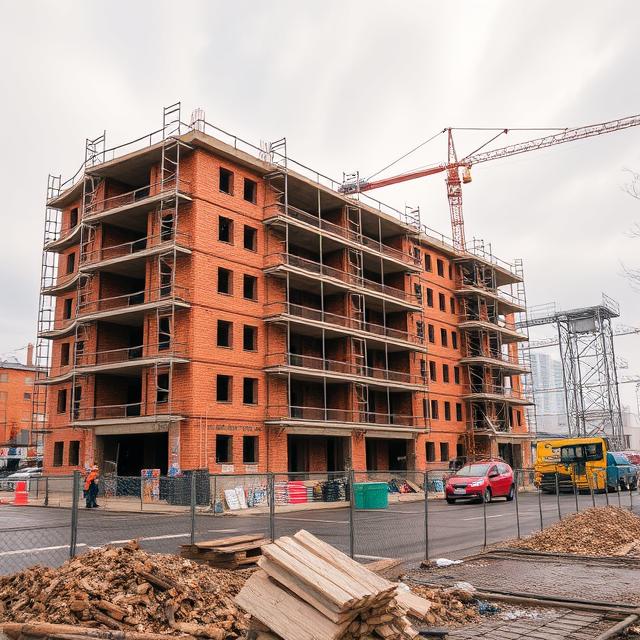
Understanding the New Building Safety Act: A Step Towards Safer Construction and Occupation
In recent years, concerns over building safety have taken centre stage nationally, prompting the government to rethink regulations and oversight mechanisms to protect occupants and the public. The newly enacted Building Safety Act 2022 represents a significant legislative overhaul aimed at enhancing the safety, accountability, and transparency of building construction and management processes. This comprehensive legislation seeks to address longstanding issues, prevent tragedies, and foster a culture of safety within the construction and property management industries.
Background and Context
The impetus for the Building Safety Act stems from high-profile incidents involving structural failures, unsafe construction practices, and inadequate building maintenance. Notably, events such as the Grenfell Tower fire in London underscored the devastating consequences of lax safety standards and regulatory oversight. These tragedies galvanised public demand for stricter laws and better enforcement mechanisms, culminating in the drafting of the new legislation.
Key Provisions of the Building Safety Act
The Act introduces a multi-faceted approach to building safety, emphasising accountability at every stage; from design and construction to occupancy and maintenance. Among its core provisions are:
Impacts and Future Outlook
The Building Safety Act aims to create a proactive safety culture, shifting from reactive responses to preventative measures. By imposing rigorous standards and increasing oversight, it reduces the likelihood of building failures and enhances public confidence in the safety of the built environment.
Construction firms and property owners will need to adapt to new compliance requirements, invest in safety training, and adopt advanced risk management practices. While initially resource-intensive, these measures are expected to result in long-term savings by preventing accidents and reducing liability.
Furthermore, the Act encourages innovation in building materials and design, promoting resilient structures capable of withstanding environmental and structural challenges.
Conclusion
The Building Safety Act signifies a landmark step toward safer, more accountable construction and occupancy standards. As the legislation takes effect, stakeholders across the industry must prioritise safety, transparency, and responsibility. With a collective commitment to these principles, the Act has the potential to transform the landscape of building safety, ultimately safeguarding lives and property for generations to come.