Construction dust is not just a nuisance; it is a real risk to your lungs.
Effective control is necessary because this work is high risk.
Health Risks from Construction Dust
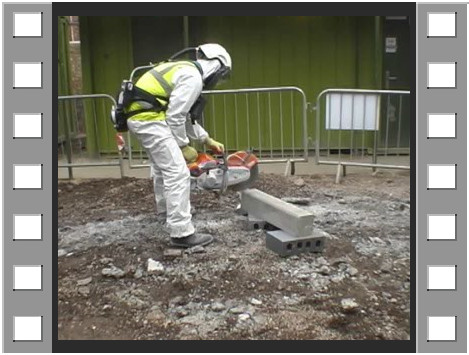
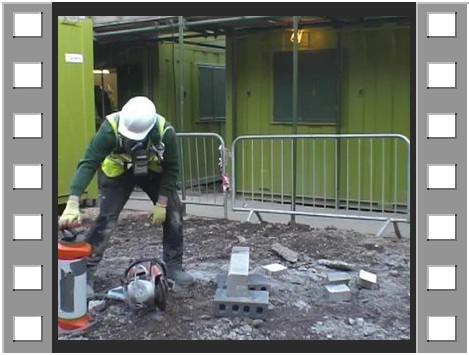
Construction dust is a serious health hazard on building sites across the UK. Workers can be exposed to dust when cutting, drilling, grinding, sanding or demolishing materials such as concrete, brick, stone, wood and plasterboard. Some of the smallest dust particles can travel deep into the lungs, where they may cause long-term damage. Regular exposure can contribute to breathing difficulties, asthma and other respiratory conditions. Silica dust, produced when working with materials such as concrete, mortar and stone, is particularly hazardous. Prolonged exposure to respirable crystalline silica can cause serious lung diseases, including silicosis, and can increase the risk of lung cancer. The danger is often not immediately obvious because harmful dust may be too fine to see.
Risks to Workers and Others
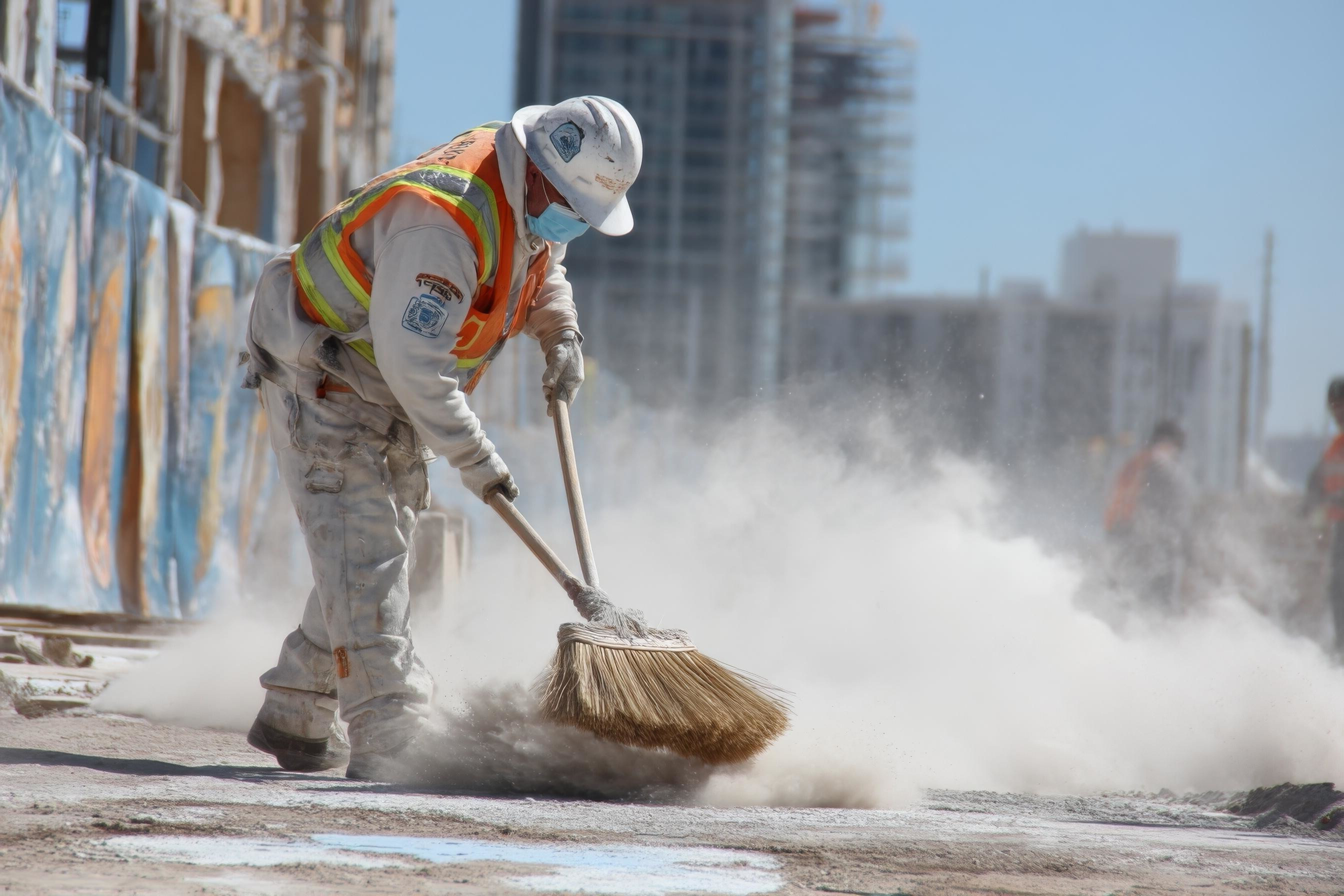
The effects of construction dust can develop gradually, meaning workers may not realise they have been exposed to dangerous levels until years later. However, the risks are not limited to people carrying out dusty tasks. Other workers on the same site, visitors and members of the public can also be exposed when dust becomes airborne and spreads through buildings or surrounding areas. Wood dust can cause respiratory irritation and is associated with certain occupational cancers, while other construction materials may contain substances that create additional health risks. Dust can also reduce visibility, contaminate work areas and settle on equipment and surfaces. Employers therefore need to consider both direct exposure and the possibility of dust spreading to other areas of a site.
Preventing Construction Dust Exposure
UK construction sites should take effective measures to control dust rather than relying solely on workers wearing masks. The Health and Safety Executive (HSE) recommends controlling dust at its source wherever possible, for example by using water suppression or suitable on-tool extraction when cutting and drilling materials. Good site planning, ventilation, regular cleaning and appropriate work methods can also reduce airborne dust. Where exposure cannot be adequately controlled through other measures, suitable respiratory protective equipment (RPE) should be provided and correctly used. Employers should also provide workers with information, training and supervision so they understand the hazards and the correct control measures. Managing construction dust effectively protects workers from potentially life-changing diseases and helps create a safer working environment for everyone on a building site.