Slips, Trips and Falls: How to Prevent Common Workplace Accidents
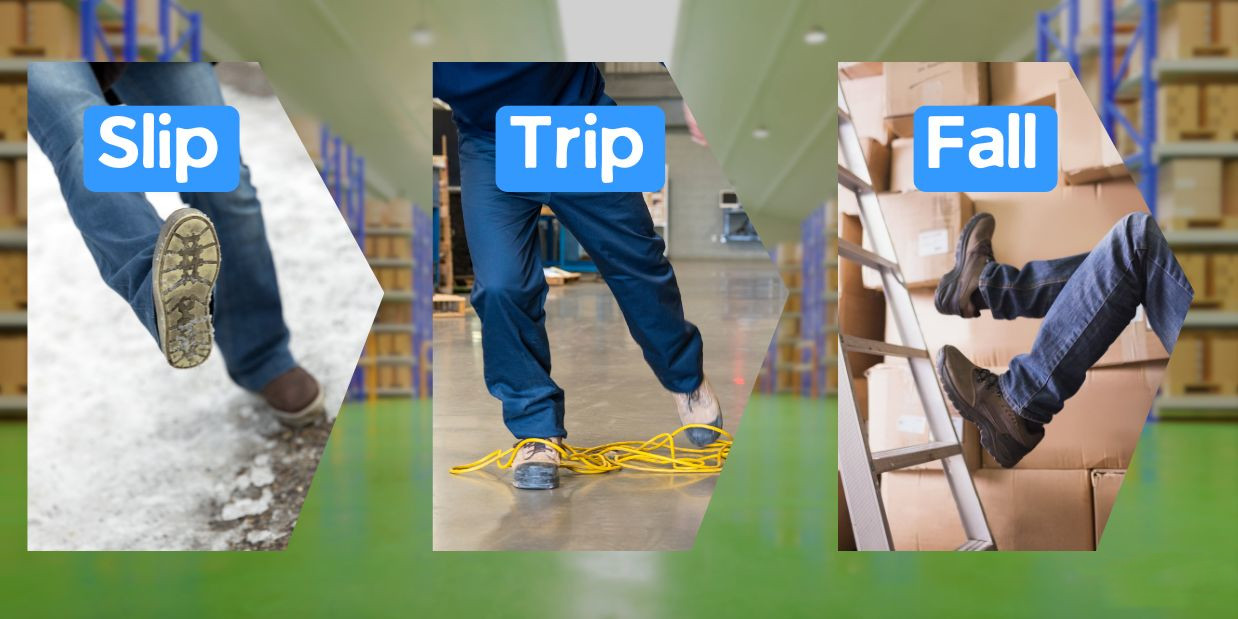
Slips, trips and falls are among the most common causes of workplace injuries in the UK. Although they are often dismissed as minor accidents, they can result in serious injuries, including fractures, head injuries, sprains and long-term musculoskeletal problems. For employers, these incidents can also lead to lost working days, reduced productivity and potential legal consequences.
Whether you operate an office, warehouse, construction site, retail premises or manufacturing facility, preventing slips, trips and falls should be an essential part of your health and safety strategy.
Understanding the Risks
Slips, trips and falls can happen in almost any working environment, often as a result of everyday hazards that go unnoticed. Common causes include wet or contaminated floors, uneven surfaces, trailing cables, poor lighting, cluttered walkways and damaged flooring.
Weather conditions can also increase the risk, particularly during the autumn and winter months. Rain, ice, snow and fallen leaves can create slippery entrances, pathways and car parks.
The consequences can be significant. Even a seemingly minor slip or trip can result in an employee being unable to work for several weeks. Identifying potential hazards before an accident occurs is therefore essential to protecting employees, visitors and contractors.
Employer Responsibilities and Legal Requirements
Under the Health and Safety at Work etc. Act 1974, employers have a legal duty to protect the health, safety and welfare of employees and others who may be affected by their work activities.
The Workplace (Health, Safety and Welfare) Regulations 1992 also require floors and traffic routes to be suitable, maintained in good condition and kept free from obstructions.
Employers should carry out suitable and sufficient risk assessments to identify slip and trip hazards and implement appropriate control measures. This includes ensuring adequate lighting, maintaining flooring, providing suitable cleaning arrangements and making sure walkways remain clear.
Where risks cannot be eliminated entirely, employers must take reasonable steps to reduce them and ensure employees understand the precautions they need to follow.
Practical Steps to Prevent Slips, Trips and Falls
Prevention starts with good housekeeping and a proactive approach to workplace safety. Simple measures can make a significant difference including:
Regular workplace inspections can help identify hazards before they cause an accident. Employees should also be encouraged to report unsafe conditions without delay.
Building a Stronger Workplace Safety Culture
Preventing slips, trips and falls is not solely the responsibility of management. Everyone in the workplace has a role to play in maintaining a safe environment.
Regular health and safety training helps employees recognise potential hazards and understand how to prevent accidents. Toolbox talks, safety briefings and workplace reminders can reinforce good housekeeping practices and encourage greater awareness.
Employers should also investigate accidents and near misses to identify underlying causes and prevent similar incidents from happening again.
Ultimately, slips, trips and falls are largely preventable. By combining effective risk assessments, regular maintenance, employee training and good housekeeping, businesses can create safer working environments, protect their workforce and meet their legal health and safety responsibilities.
Download a FREE
Workplace Poster!